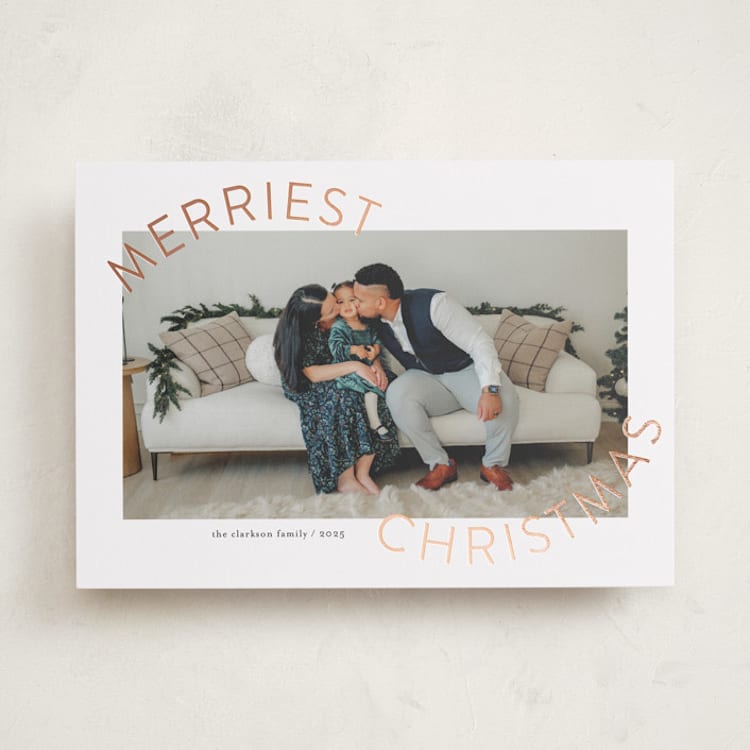
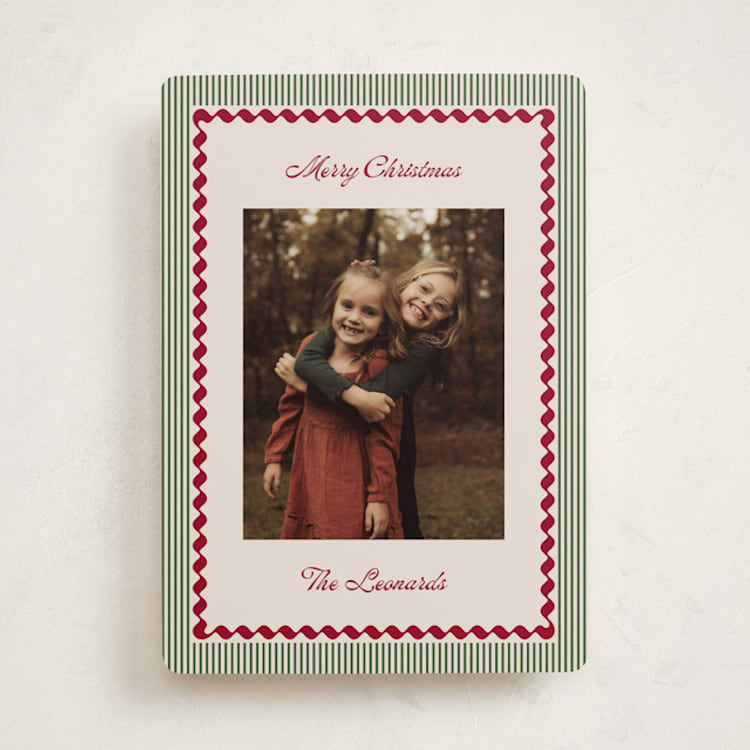
First Look:
Film photography, point-and-shoot cameras, and Polaroids are having a comeback. This guide explores the cultural forces driving the resurgence, including a shift away from hyper-optimized digital imagery and towards photos that feel more human, and how to get the look in the photos you print, frame, and share in your holiday cards.
What do your favorite photos all have in common? Likely, it’s not that they’re completely perfect. The photos worth cherishing are the ones that really capture the moment — a genuine smile, the warmth of the people you love, the messy details that make things feel real.
After years of hyper-polished, phone-first photography, there’s a growing pull towards images that feel more human. So, too, are the visual hallmarks of a more analog way of documenting the moment: flash, grain, soft focus, unexpected framing — no editing, retaking, or optimizing.
Here, we explore the return to film and point-and-shoot style photography, and how to turn these photographs into meaningful mementos.
The Shift: From Perfectly Composed to Actually Real
According to forecasting by DataIntelo, the film camera market is expected to grow by over a billion dollars in the next year (and nearly double in value by 2034). And it’s not just simple nostalgia for the 90s and early 2000s that is driving the growth.
Instead, the resurgence of film, Polaroid, and point-and-shoot digital cameras is a response to years of phone-first photography optimized for likes and social media algorithms. More and more, photos that feel like a true reflection of life as it happens are seen as an antidote to digital fatigue and an over-saturation of AI-generated imagery.
So instead of perfectly composed digital images, we’re returning to the simpler, more analog way of capturing our lives. And the result? Photos that are less curated, less controlled, and much more personal because of it.

The Polaroid Comeback: Instant, Physical, Unrepeatable
Instant film cameras, like those first introduced by Polaroid in 1948, have been leading the analog photography resurgence over the past couple of years. There’s something about photos that develop right in front of your eyes that makes them an immediate memento—they become a physical artifact of the moment that you can pin to a wall, tuck into a card, and return to again and again.
That same celebration of real-world, physical photography has also driven a resurgence of old-school photobooths, where four or five perfectly imperfect shots become physical reminders of the moment.
Pro tip: Polaroid- and photo-strip-inspired photo print and card designs are a great way to give photos shot on your phone that fixed, physical quality that turns a casual shot into a keepsake to hold, display, or send.

Point-and-Shoot Revival
Too often, photographs shot on a phone take us out of the moment in the pursuit of getting the perfect shot. But point-and-shoot film and digital cameras present the opposite experience: They’re passed around at gatherings, where many hands snap photos without any forethought, and without immediately checking the screen to see what was captured. These photos have a kind of authenticity and intentionality that is hard to recreate on a phone camera, a quality that fashion and editorial photography has embraced as a way to connect more deeply with customers.
The aesthetic qualities of point-and-shoot photography — think direct flash, visible grain, off-center compositions — are all signals of a real moment, not one manufactured for a like or repost.
Kids Behind the Camera
The resurgence of point-and-shoot cameras is also being increasingly driven by a renewed interest in giving kids cameras of their own and encouraging them to document the world through their own eyes, instead of a parent’s phone.
Camp Snap — which creates screen-free digital cameras that mimic the experience of a point-and-shoot or disposable film camera — was founded with this idea in mind. What started as a way for kids to document their experiences in phone-free environments like summer camps, vacations, and holidays became a way to reframe the purpose of taking photos altogether. The grainy, off-kilter, and overexposed photos taken on Camp Snap’s cameras have become a way to document a moment fully lived, not just consumed through a screen, for photographers of all ages.
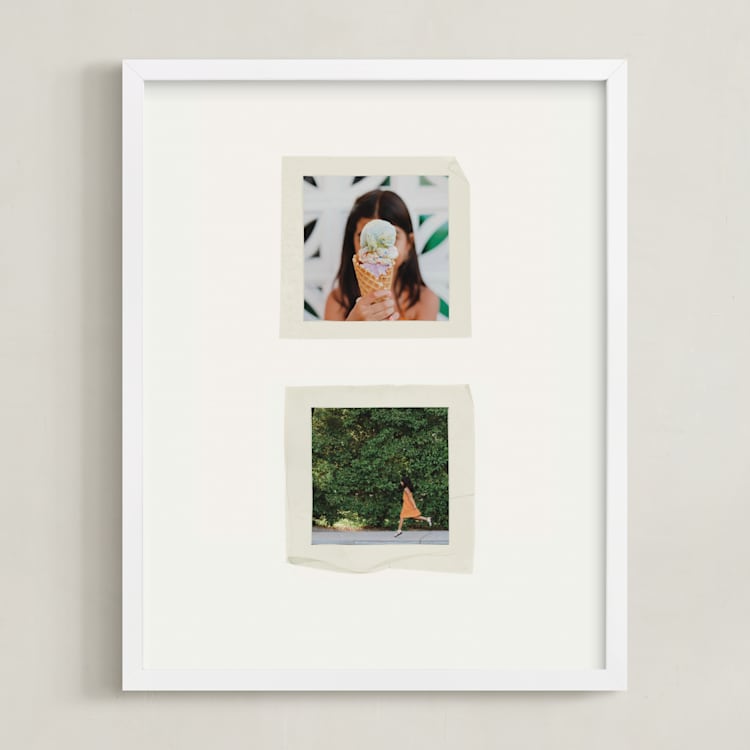
Flash, Grain, and Achieving the Film Aesthetic
Not everyone has a 35mm film camera in their collection or remembers to pack their chunky instant film camera in their bag when heading out of the house. But there are ways to make phone photography feel—and look—more like it was shot on film.
Here are our top tips for getting the film look:
- Play with light. While shooting on an iPhone, tap and hold the screen to adjust the exposure in real time. A slightly over- or under-exposed photo tends to look more like film than a perfectly lit frame.
- Turn on the flash. Setting the flash on your phone camera to on instead of auto will force the flash to go off even in well-lit environments. This creates the high-contrast, slightly chaotic effect that makes photos feel like they’ve truly caught the moment.
- Soft focus. The soft, almost blurry quality of film photos can be recreated on a phone by choosing where to focus. Tapping the screen to focus on somewhere that isn’t the subject of the photo (like the foreground or background) can make shots feel more like they were caught on film.
- Look for motion: You can also mimic the slightly blurry look of a long-exposure film shot by using Live Photo mode. After you take your photo, you can tap on the Live drop-down menu and select long exposure, which will merge frames capturing motion into one single shot, creating a blur that communicates the feeling of the moment as opposed to a perfect pose.
- Don’t overthink it. Part of the beauty of point-and-shoot and film photography is that you can’t take and retake the same photo in pursuit of perfection. Treating your phone’s camera in the same way can help you get shots that feel a little more authentic, and less Instagram-perfect.
- Use editing tools to add film grain. There are plenty of apps that you can use to add film grain to photos shot on a phone. So play around with presets and customizable filters to give your photos a more analog feel.
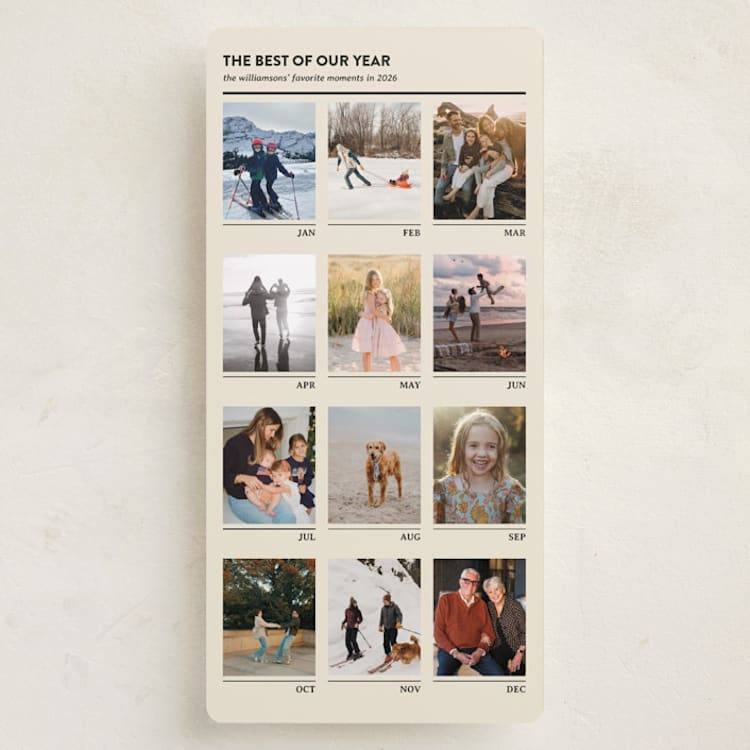
Photographs as Objects: Albums, Photo Strips, Prints and Cards
Photographs don’t have to be perfect to be worth keeping. Some of the most meaningful images are the ones that capture what something actually felt like: the blur, the movement, the expression nobody planned for, the flash that was a little too bright.
The film resurgence is a return to analog in more ways than one: it’s about capturing life outside of your phone—and creating photos meant to live outside of your camera roll. A photo posted on social media or passed around at a party has a lifespan, holding attention for just a few short moments before something new comes along. But that same photo, when printed and sent in a card or framed, has permanence. It's something people can stumble upon and come back to again and again.
Photo prints, polaroids, photo strips, physical albums, and even holiday cards give photographs a fixed existence. Here, we explore a few of our favorite ways to make photos last.
Film Photography Prints
Part of the joy of film photography is that you never know what you’ve captured until you receive the stack of prints back from the printer. There are plenty of options for getting film photos developed and printed, whether you choose to use a local photo shop or send off your rolls of film to a national provider. When you get them back, frame them, pin them to a bulletin board, pop them on the fridge, or include them alongside a handwritten letter.
Pro tip: Request digital versions of your film photographs from your developer. You can use the digital files to create your own film photography prints, recreate the feeling of a photo strip, and even give a photo shot on a phone a bit of film gravitas by playing with Minted’s collection of photo art print layouts and matting options.

Holiday Cards and the Film Photography Moment
The film photo movement has also shifted the kinds of holiday cards we want to send — as well as the types of photos we’re choosing to share with our friends and family. The rise of point-and-shoot and Polaroid-style photography is reframing what a “good” family photo means. A grainy vacation photo, a candid shot of kids in the kitchen or running in the backyard tells a story about you and your family that a posed portrait session can’t capture. Instead of the perfectly-lit, everyone-smiling coordinated portraits, we’re seeing more holiday cards than ever featuring candid photos that communicate what the year actually felt like.
Here’s how to get the look:
- Look for Christmas card designs featuring “vintage” photography. This was one of the fastest-growing design trends we saw last year; our selection of card designs inspired by vintage photography grew fivefold, and searches for those same designs jumped by 300%.
- Multi-photo holiday card designs are also especially well-suited to film-style photography. You can use them to share multiple, imperfect moments from the year that communicate authenticity.
- Photo Mount™ cards are a great way to take a favorite film shot and turn it into a keepsake with a lifetime that extends beyond the holiday season.

Capturing the Moment
The film resurgence isn’t so much about cameras and equipment (although it can be if you want to go all-in on the hobby). Instead, it marks a broader moment in our culture: one that speaks to our desire for less screen time and more authentic connection. It also speaks to what we want a photo to be. Instead of something that’s optimized for algorithms, we’re returning to photography as a way to capture something real and moments that are deeply personal.
And if you’ve taken a shot worth keeping, Minted is here to help you preserve it. From art-inspired framed photo prints to Holiday cards meant to be keepsakes, there’s no shortage of ways to display the moments that matter most.
Frequently Asked Questions
Why is film photography trending again in 2026?
Gen Z and millennials are driving the trend, with nearly half of film cameras being purchased by people under 35. Largely, the resurgence of film photography mirrors a broader cultural shift away from hyper-polished digital imagery and towards photographs that feel unscripted and decidedly human.
What is the film photography aesthetic and how do I get it?
The film photography aesthetic is characterized by visible grain (or texture on the photographs), bright, direct flash, warmer tones, off-center compositions, and blurred motion. It's a more candid, caught-in-the-action look that comes from shooting on film cameras, but it can be recreated by playing with the settings and using editing apps on your phone. It can also be achieved by printing photos using templates designed to recreate the feeling of film photography, like the framed photo prints sold by Minted.
Can I use film or Polaroid photos in my Minted holiday card?
Yes! You can use any photo that can be uploaded to the Minted website in your holiday card, including digitized versions of film and Polaroid photos. You can also pick holiday card designs that recreate the look of analog photography. Multi-photo collage or photo strip layouts can turn a set of candid photos into a memento of your year, where Polaroid-inspired designs are a great way to give a hero shot a vintage flair.
What should I do with film photos and Polaroids after I take them?
Once you have your developed film photos on hand, we recommend getting them out of your camera roll and displaying them as they were originally intended: as physical prints. You can get them scanned (or have your developer send you scans when you get your film processed), then frame a favorite and hang it on a wall, use them in a holiday card, or give them away as mementos to friends and family.